AI Investments Reach Historic Levels- Artificial intelligence has become the most important focus area for the global technology industry, and recent trends show that investments in AI are reaching historic levels. Governments, technology companies, venture capital firms, and research institutions are all increasing their spending to secure leadership in the rapidly expanding AI economy. The year 2026 is expected to mark a turning point where artificial intelligence shifts from experimental adoption to large-scale infrastructure deployment across industries.
The global AI investment surge
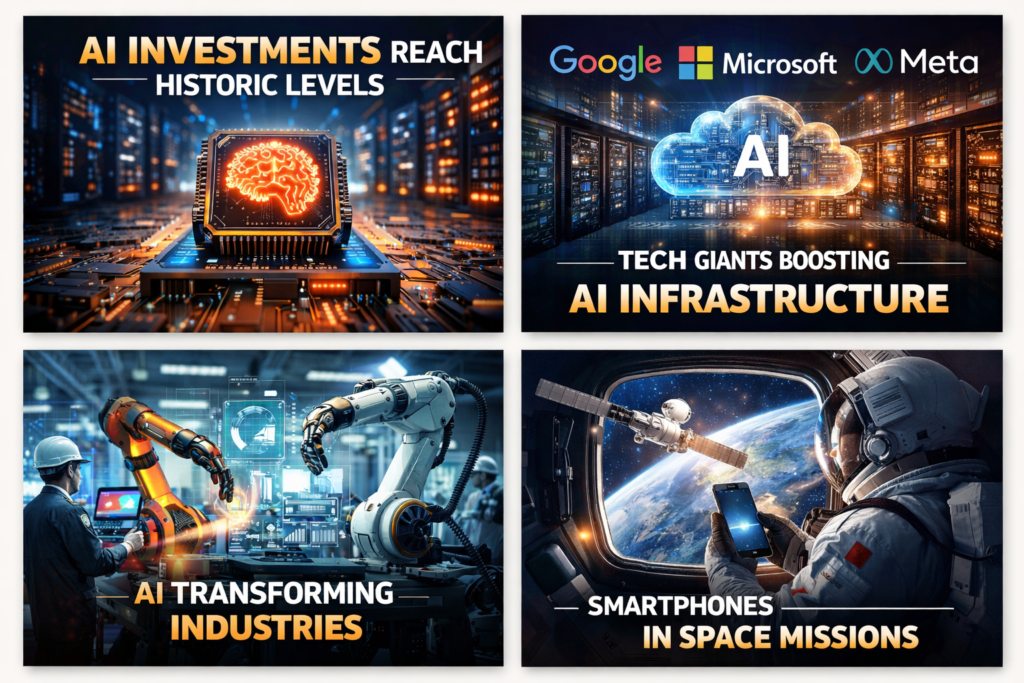
Over the past few years, artificial intelligence has moved from a niche research domain into the center of global technological competition. Major technology companies are now investing billions of dollars every year to build advanced computing infrastructure capable of training and running large AI models. These investments include the construction of massive data centers, development of specialized AI processors, expansion of cloud computing platforms, and funding of AI research laboratories.
Read, Instagram Blend New Feature Explained, How It Works and Benefits
Large technology firms are not alone in this race. Governments across the world are launching national AI programs to support domestic innovation, encourage startups, and develop sovereign AI capabilities. Countries view artificial intelligence as a strategic asset that will shape economic growth, defense capabilities, and digital independence in the coming decades. As a result, both public and private sector investments are growing simultaneously, creating a powerful global momentum toward AI-driven development.
Why companies are investing heavily in AI?
The primary reason behind the rapid increase in AI investment is the enormous economic potential of artificial intelligence technologies. AI systems are capable of automating repetitive tasks, improving decision-making through predictive analytics, enhancing customer experiences, and enabling entirely new categories of products and services. Businesses that adopt AI effectively can significantly reduce operational costs while increasing efficiency and innovation speed.
Another important factor is the competitive pressure within the technology sector. Companies that fail to adopt AI risk falling behind competitors who can deliver smarter services, faster automation, and more personalized digital experiences. As a result, organizations across industries such as banking, healthcare, manufacturing, logistics, education, and retail are allocating substantial budgets to AI development and integration.
The rapid growth of generative AI tools has also accelerated investment. Applications capable of generating text, images, videos, and software code are transforming how businesses operate. Enterprises are investing heavily to integrate generative AI into internal workflows, customer support systems, marketing platforms, and product development pipelines.
Infrastructure spending driving the boom
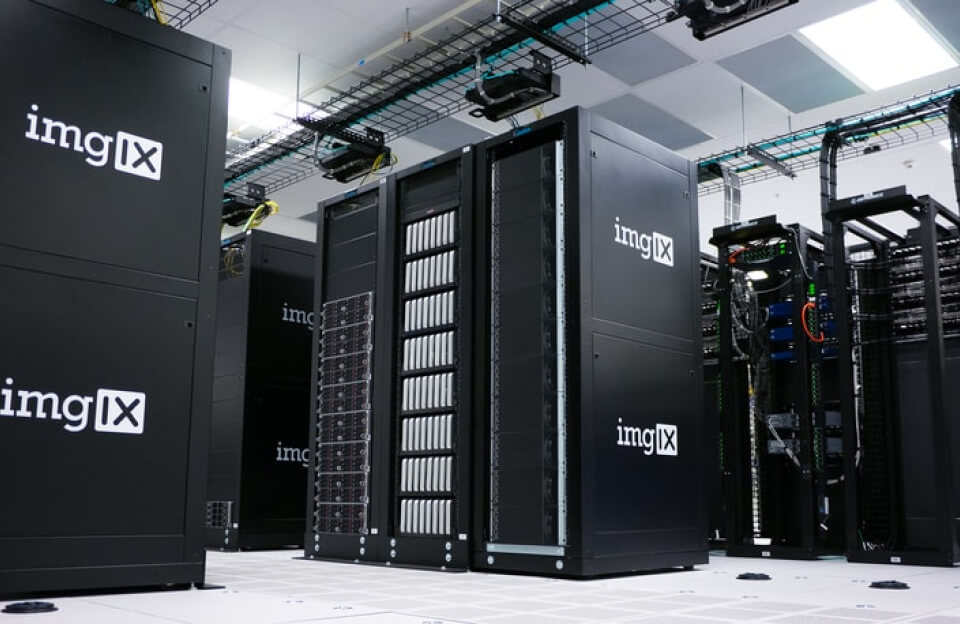
A large portion of current AI investment is focused on infrastructure. Training advanced AI models requires extremely powerful computing systems that consume vast amounts of energy and processing resources. To meet these requirements, technology companies are building next-generation data centers equipped with specialized AI chips and high-performance networking technologies.
Cloud service providers are also expanding their global data center networks to support enterprise AI workloads. Businesses increasingly prefer cloud-based AI platforms because they provide scalable computing resources without requiring organizations to build their own infrastructure. This shift toward cloud AI services is creating new revenue streams for technology companies while accelerating the global adoption of artificial intelligence.
In addition to hardware investments, companies are funding software platforms that allow developers to build, deploy, and manage AI applications more easily. These platforms include machine learning development tools, AI model training environments, and automated deployment frameworks designed to simplify enterprise AI implementation.
Venture capital and startup ecosystem growth:
The startup ecosystem is another major beneficiary of the AI investment boom. Venture capital firms are pouring record levels of funding into AI startups working on innovative technologies such as robotics, autonomous systems, medical diagnostics, cybersecurity, financial analytics, and intelligent automation platforms. Many of these startups are developing specialized AI solutions tailored for specific industries, which increases the practical adoption of artificial intelligence across the economy.
Entrepreneurs are launching companies focused on solving real-world problems using AI-driven approaches, and investors are supporting these ventures in anticipation of long-term growth opportunities. This rapid expansion of AI startups is accelerating innovation cycles and increasing competition, leading to faster development of new technologies and applications.
Impact on jobs and workforce transformation
AI investment is also transforming the global workforce. As organizations adopt AI-powered automation systems, certain repetitive tasks are becoming automated, while new categories of jobs are emerging in areas such as data science, machine learning engineering, AI operations, and digital transformation consulting. Companies are investing in workforce training programs to help employees develop the skills required to work alongside intelligent systems.
Educational institutions are responding to this shift by introducing specialized courses in artificial intelligence, data analytics, and machine learning. Governments are also supporting reskilling initiatives to prepare workers for the changing job market. While automation may reduce demand for some traditional roles, the growth of AI-driven industries is expected to create millions of new technology-focused employment opportunities over time.
AI adoption across industries
Healthcare is one of the sectors experiencing rapid AI-driven transformation. Hospitals and medical research organizations are investing in AI tools that assist doctors in diagnosing diseases, predicting patient risks, and improving treatment planning. AI-powered imaging systems can analyze medical scans with high accuracy, helping healthcare professionals make faster and more reliable decisions.
In the financial sector, banks and fintech companies are using AI to detect fraudulent transactions, automate customer service operations, and analyze financial trends. Manufacturing companies are deploying AI-powered predictive maintenance systems that monitor equipment performance and prevent unexpected breakdowns, improving operational efficiency.
Retail and e-commerce businesses are investing in AI recommendation engines that personalize product suggestions for customers, increasing sales and improving user experience. Logistics companies are using AI to optimize delivery routes, manage supply chains more efficiently, and reduce transportation costs.
Challenges and risks associated with rapid investment:
Despite the massive investment surge, several challenges remain. One major concern is the high cost of building and maintaining AI infrastructure, which requires significant financial resources and energy consumption. Another challenge involves data privacy and security, as AI systems rely heavily on large datasets for training and operation.
Regulatory frameworks are still evolving to address ethical issues such as algorithmic bias, transparency, and responsible AI usage. Governments and international organizations are working on developing policies that ensure AI technologies are deployed safely while encouraging innovation. Companies investing heavily in AI must also manage risks related to technology reliability, cybersecurity threats, and long-term sustainability of large-scale computing systems.
Long-term economic impact:-
Economists believe that artificial intelligence could become one of the most powerful drivers of global economic growth over the next two decades. AI technologies have the potential to increase productivity across industries, enable the creation of new digital markets, and support advanced research in fields such as climate science, drug discovery, and space exploration. Countries that successfully build strong AI ecosystems are expected to gain significant economic advantages in the future.
The increasing collaboration between governments, private companies, universities, and research institutions is accelerating the pace of AI innovation. As funding continues to grow, breakthroughs in areas such as autonomous transportation, smart cities, advanced robotics, and personalized digital services are expected to reshape everyday life.
Conclusion
Artificial intelligence investments are reaching historic levels because organizations worldwide recognize the transformative power of this technology. Massive spending on infrastructure, research, startups, and enterprise adoption is accelerating the development of intelligent systems that will influence nearly every industry. While challenges related to regulation, costs, and workforce adaptation remain, the long-term outlook for AI-driven innovation remains highly positive. The current wave of investment signals that artificial intelligence is no longer a future concept, it has become a central pillar of global technological progress and economic development.